Taryn Simon at the Guggenheim: 42 Chapters
Simon fills the Guggenheim rotunda with 42 chapters drawn from talks with an FBI agent. One critic calls it overwhelming. A guide to the show.
The Solomon R. Guggenheim Museum has handed its entire rotunda to Taryn Simon, and the result, by one critic's account, is overwhelming. Taryn Simon: Father Country I Do Love You has been on view since Sept. 18 and runs through March 14, 2027. Gagosian, which represents Simon, describes a "singular interactive installation" of photographs, text, videos and sculptures that fills the whole of Frank Lloyd Wright's building and spirals through it, with visitors choosing "their own pathways."
What it is
New York magazine's Vulture reviewed the show on Oct. 12 under the headline "Taryn Simon's American Fiction." Stephanie Wambugu writes that it is the first monographic photography exhibition to take up the entire rotunda, and notes the timing: it opens during the 250th anniversary of the United States. The work draws on nearly a decade of Simon's conversations with an actual but anonymized retired FBI agent. It is presented as a novelistic series of fact-filled "chapters," 42 of them, with more than 1,000 images in the exhibition, per the review.
Wambugu says the agent is, in the end, a stand-in for Simon's father, who worked for the US government and was diagnosed with Alzheimer's in 2020. The review says the show can be read as an attempt to salvage the lost details of a parent's biography.
Two chapters
In one chapter, titled A squad agent informed me I'd be babysitting, the agent recalls looking after the children of Rasheeda Moore in a Hilton hotel room while she took part in the 1990 sting that recorded then-Washington Mayor Marion Barry smoking crack cocaine. The text is paired with portraits of Black men and women wearing MooreWraps, garments created by Moore's sister, photographed in the same hotel. The chapter ends with the agent's note that people said the mother and children "would probably go into witness protection because of all the death threats."
In another, How democracy started, the agent recounts the FBI's presence in Greece and its response to the Greek group 17N. The images, Wambugu writes, show props that tour guides use at ancient ruins, including an owl doll, a bottle of designer perfume, a high heel and a golden microphone against sites like the Parthenon.
Staging and a final room
Simon built wall text against a wood-paneled backdrop meant to conjure a replica of the Bangkok living room of an intelligence officer who had worked with her father, per Vulture. At the top of the spiral, a video shows Simon's father tapping Kodachrome slides of places he traveled, which Wambugu calls a "haunting plainness" and the show's simple reprieve after so much density.
The critic's verdict
Vulture's review is mixed, and it is worth quoting carefully. Wambugu calls the work "hyperreferential and maximalist" and "an exhausting show to get through," and says "by the end, it's difficult to know what the narrative amounts to." She also finds it admirable: "a massive undertaking" of painstaking archival work, and a relief to see a show about imperialism, patriotism, machismo and memory "that is not didactic or anxious about its aboutness." She writes that Simon "comes across as less of a polemicist and more of a stylist," and that she cannot imagine anyone "coming away feeling very wounded by this exhibition."
That is one reviewer's reading, and other critics may differ. We found only this review plus the museum and gallery descriptions.
Simon's earlier work
The review places the show in context. The Innocents (2000 to 2003) photographs the wrongfully convicted at the sites of misidentification or arrest, and An Occupation of Loss (2016) recruited professional mourners to perform their bereavement customs, a project that took seven years of research, per Vulture. Wambugu calls Simon an "artist's artist" drawn to minutiae.
How to see it
The exhibition fills the whole rotunda, and the spiral, as Wambugu notes, follows the building's winding white ramp. We have not verified ticket prices or hours, which change. Budget time. The reviewer describes the show as long and dense.
What we could not confirm
The museum's own press release and exhibition page did not load for us, so the exhibition description comes from Gagosian and the Vulture review. We could not verify the count of 42 chapters or of more than 1,000 images beyond the review. We have not independently confirmed the historical events described in the chapters, including the Marion Barry sting, beyond the review's account.
FAQ
When is Taryn Simon: Father Country I Do Love You on view?
Sept. 18, 2026, through March 14, 2027, at the Guggenheim in New York.
What is it about?
It follows the career of an anonymized retired FBI agent, a figure the review says stands in for Simon's father, through a series of illustrated chapters.
Is it only photography?
No. It combines photographs, text, videos and sculptures, per Gagosian.
Sources
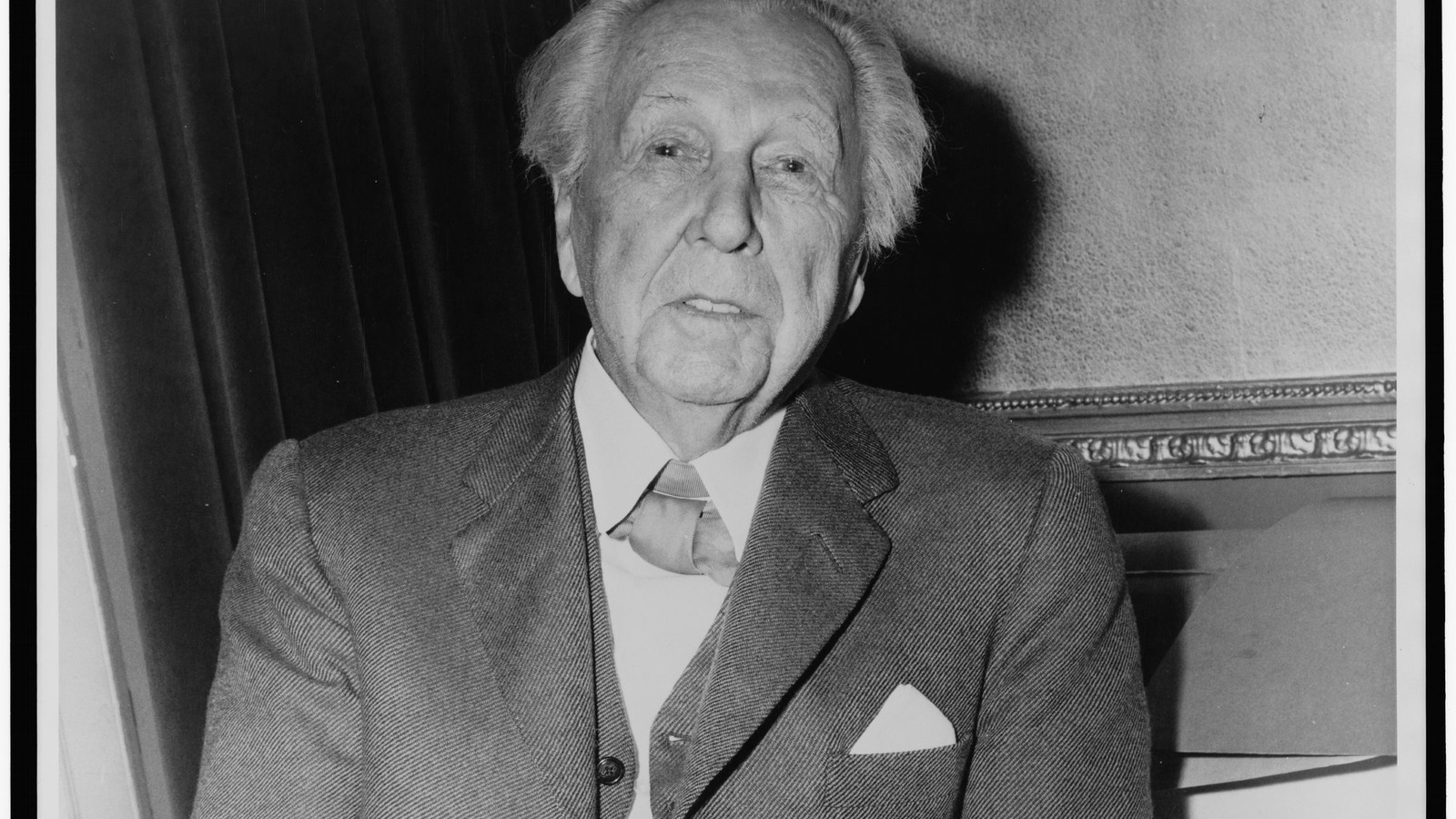
*Cover photo: New York World-Telegram and the Sun staff photographer (Library of Congress), Wikimedia Commons, *[*https://commons.wikimedia.org/wiki/File:Frank_Lloyd_Wright_NYWTS_1.jpg*](https://commons.wikimedia.org/wiki/File:Frank_Lloyd_Wright_NYWTS_1.jpg)* (Public domain).*