Goncourt 2026: Eight Novels Left and an AI Scandal
The Goncourt jury is down to eight novels after withdrawing a title over AI allegations. The list, the Nov. 3 date and what is still unconfirmed.
France's most prestigious literary prize is down to eight novels, and its 124th edition has already produced a withdrawn title over allegations that artificial intelligence wrote most of it. The jury announced its second selection on Oct. 6. The winner will be named on Nov. 3 at the Drouant restaurant in Paris.
The eight novels
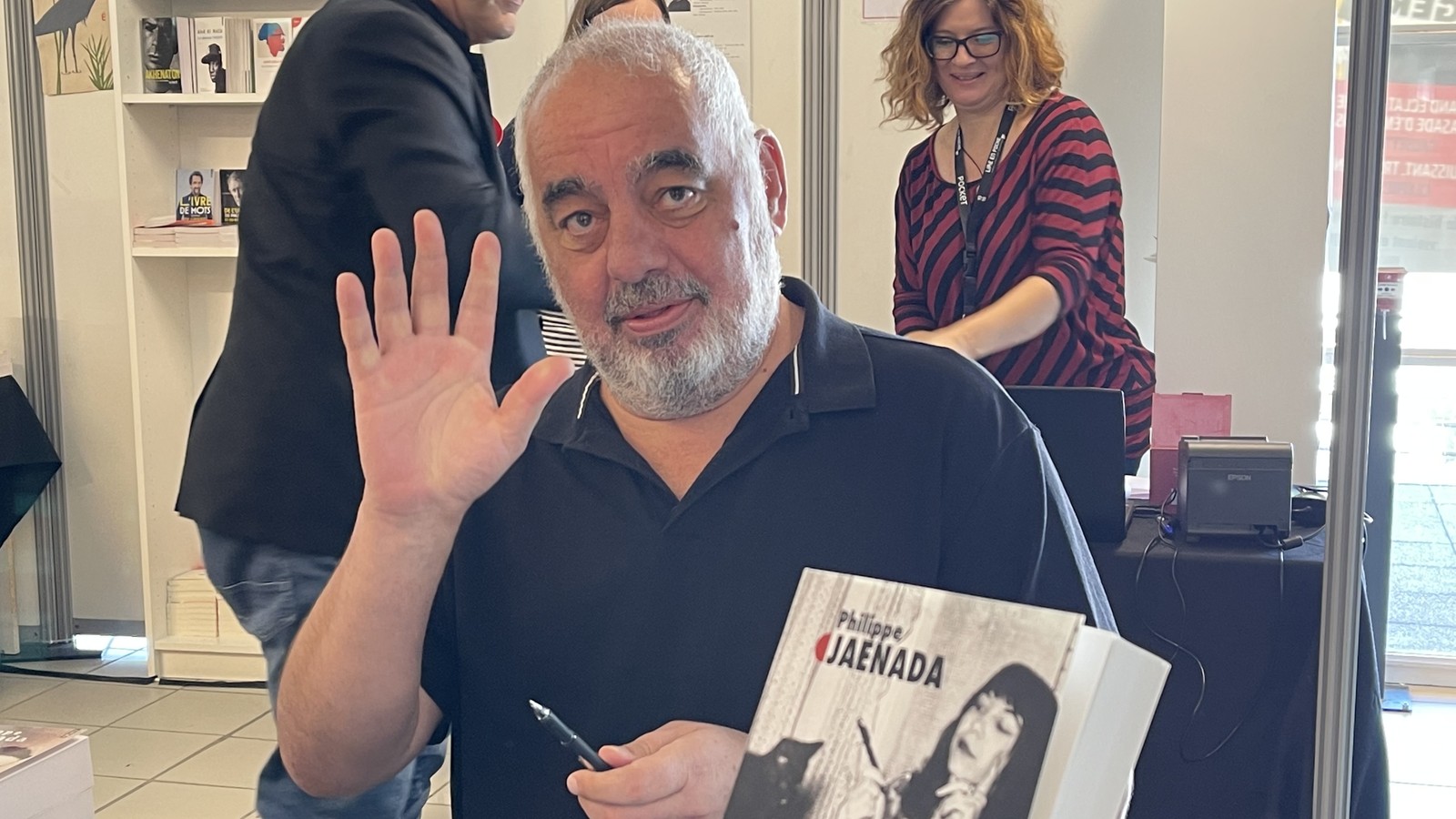
The second selection, cut in half from an initial list of 16 published on Sept. 2, includes Minotaure by Boris Bergmann (Albin Michel), Le fabuleux piano by Sonia Devillers (Robert Laffont), Nous aussi by Anne Godard (Actes Sud), La solitude des professeurs est infinie by Yannick Haenel (Gallimard), L'inconnue du Quai de Javel by Philippe Jaenada (Flammarion), Choses que je croyais perdues by Clémentine Mélois (L'Arbalète/Gallimard), De l'autre côté du lac by Sylvain Prudhomme (Minuit) and La Guerre éternelle by Olivier Rolin (Gallimard).
Franceinfo counts five men and three women. Gallimard places three books on the list, while Grasset, represented in the first round, has none. Among those dropped were Ananda Devi's Chronique d'un royaume perdu and Lilia Hassaine's Je. Franceinfo and BFMTV report that four of the eight, by Godard, Jaenada, Devillers and Haenel, are among the best sellers of the fall season so far.
The Orélien affair
The scandal centers on Thélyson Orélien, a Canadian-Haitian first-time novelist whose book C'était ça ou mourir (Grasset) appeared on the first Goncourt list and on early lists for the Renaudot, Femina and Médicis prizes. Livres Hebdo reports that on Sept. 21 an account called "Balance ton Claude," relying on the AI-detection tool Pangram, claimed the book had been written more than 95 percent with AI assistance.
The Académie announced on Sept. 25 that it was removing the novel from its selection. Franceinfo describes the withdrawal as a response to accusations of plagiarism and of AI use. We did not find a public response from the author or from Grasset in the sources we reviewed, and the allegation rests on a detection tool whose reliability is widely debated. It should be treated as an allegation, not a finding.
A rule change on the table
Philippe Claudel, the Académie's president, told France Inter on Oct. 6 that he wants the prize's rules amended to forbid the use of AI. Livres Hebdo reports that the proposal was to be discussed by the academicians the next day, without necessarily being put to a vote. We found no report of the outcome, so the rule's status is unconfirmed as of Oct. 18.
Claudel also said all eight selected titles were run through an AI detector and "passed with flying colors, apart from a few ridiculous slips." That is a statement by the jury's own president about a screening method the Académie has not published, and no independent party has verified it.
What comes next
The jurors will narrow the field to four finalists on Oct. 27 and award the prize on Nov. 3 at Drouant, the restaurant at 16-18 place Gaillon where the prize is traditionally announced. The winner receives a symbolic check for 10 euros. The real prize is commercial: last year's winner, Laurent Mauvignier's La maison vide (Minuit), has sold more than 637,000 copies according to NielsenIQ BookData figures cited by Livres Hebdo, well above the 460,000 for the previous winner, Kamel Daoud's Houris (Gallimard).
The Académie Goncourt, whose president is Claudel, is made up of writers including Christine Angot, Tahar Ben Jelloun, Camille Laurens and Éric-Emmanuel Schmitt, according to the list Livres Hebdo published.
Why American readers should care
The Goncourt often reaches English-language readers through translation within a year or two, which makes the shortlist an early signal for US publishing. The Orélien affair also lands in the same season in which the Booker judges told reporters their shortlist was made of books that "cannot be replicated by artificial intelligence." Two major fiction prizes are now openly discussing machine authorship, and neither has published a verified method for detecting it.
What we could not confirm
We could not verify the Pangram analysis, the author's account, or the outcome of the academicians' discussion. Quotations from French sources are our translations.
FAQ
When is the Goncourt winner announced?
Nov. 3, 2026, at the Drouant restaurant in Paris.
Why was a book removed from the list?
The Académie withdrew C'était ça ou mourir on Sept. 25 after allegations of plagiarism and heavy AI use.
How many finalists are named next?
Four, on Oct. 27.
Sources
*Cover photo: ActuaLitté, Wikimedia Commons, *[*https://commons.wikimedia.org/wiki/File:Philippe_Jaenada_(51573286268).jpg*](https://commons.wikimedia.org/wiki/File:Philippe_Jaenada_(51573286268).jpg)* (CC BY-SA 2.0).*