Lichtenstein at the Whitney: A Show About Copying
The Whitney's Lichtenstein retrospective reunites all eight paintings from his 1962 debut and frames his career as a study of copying.
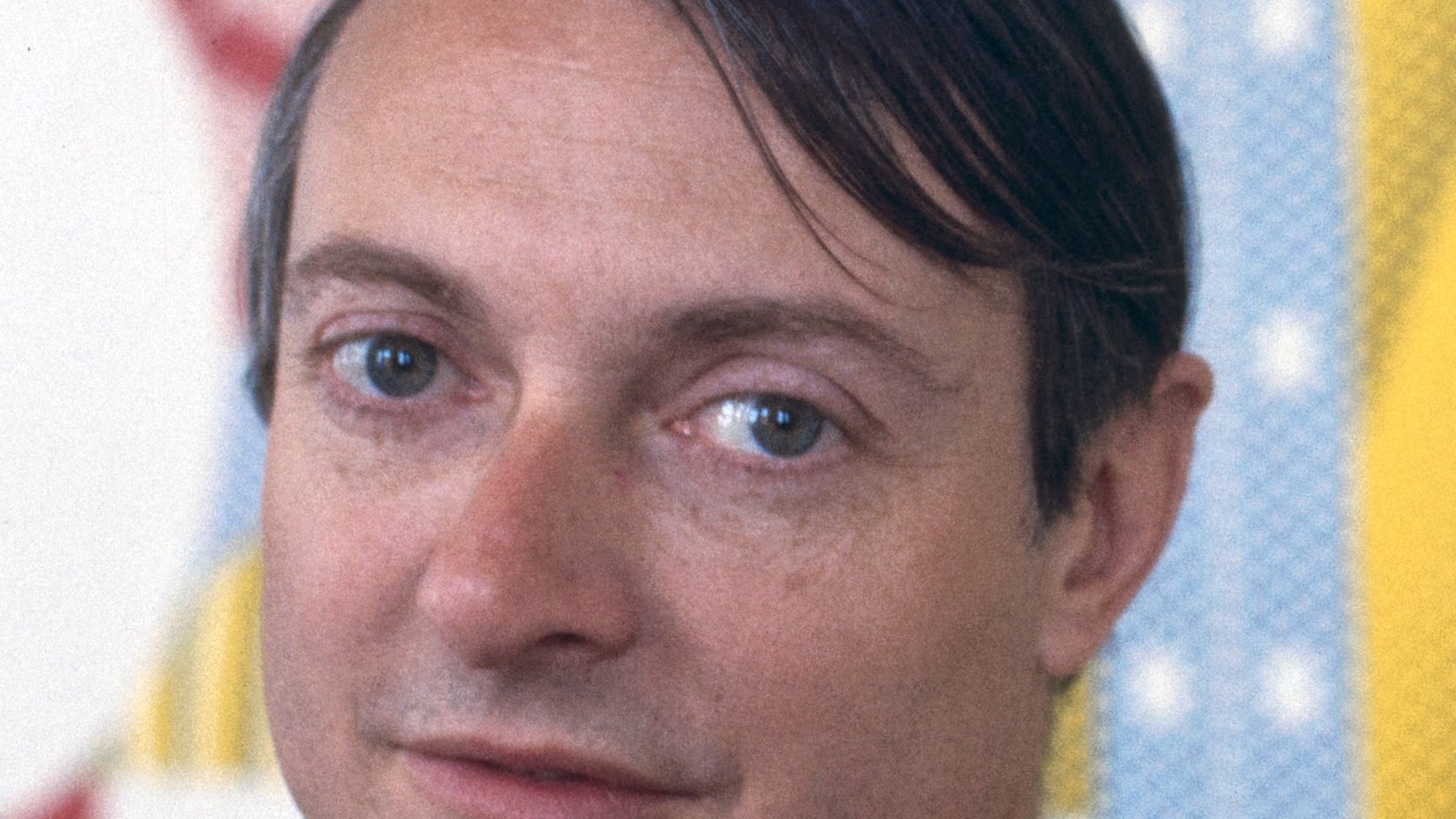
Roy Lichtenstein spent his career taking pictures from other places, comic panels and advertisements, and remaking them by hand. The Whitney's new retrospective, Roy Lichtenstein: Like New, opened on Oct. 11 and runs to May 10, 2027. Its premise is that the copying was the subject all along. The museum has built a show around it, and the argument arrives at a moment when everyone's feed is a machine for duplication.
This piece works from the museum's published program and from preview coverage, not from a walk through the galleries, so it describes what the show promises and leaves the verdict to the visit.
Eight paintings, one wall
The headline feature is a reunion. The Whitney has gathered all eight works from Lichtenstein's 1962 debut at Leo Castelli Gallery, the first show of his Pop-style paintings, and has hung them in their original arrangement. Christie's calls it an intimate gallery setting. Musa Guide, a museum-listings site, says that the paintings have not hung together since 1962.
That is the right place to start. A career begins in one room, and the museum lets the viewer stand in it. The works that follow can then be read as consequences.
How big is it?
The sources do not agree on the scale. Musa Guide describes a comprehensive retrospective of roughly 130 works from the early 1940s through the 1990s. Christie's says more than 150 works are on view. Neither source explains the gap, and the museum's own checklist is the final word.
What the sources do agree on is range. The show includes Look Mickey and Drowning Girl, and it rebuilds three murals, one of them a nearly 96-foot run of the Greene Street Mural from 1983. A mural that size is a different object in a gallery than in a photograph. Lichtenstein's dots, as Musa Guide puts it, are blown up close enough to see the printing logic behind them.
Who copied whom
The curators are Meg Onli and Alex Da Corte, with Nakai Falcón and David Crane, according to Artforum's fall preview. They frame the retrospective around copying. Lichtenstein lifted from comics, then went on remaking his own images. The title comes from a 1962 canvas.
The show also hangs three other artists alongside him, Lawler, Pettibone and Sturtevant, each of whom copied Lichtenstein in turn. Placing the copyists next to the painter they copied is a good curatorial move. It makes the exhibition a conversation, not a monument, and it asks whether the original has a stable identity when its imitators are in the next room.
Da Corte also stages an outdoor presentation of Girl in Window, so part of the show can be seen without going in. That gesture belongs to the same argument. A museum that puts an artwork on the street invites the kind of casual reproduction the artist studied.
Pictures that travel
Christie's argues that the artist's explorations of image culture and duplication feel more relevant than ever, given how widely digital images circulate on social media. The Whitney draws on its own deep Lichtenstein holdings to make the case, according to Musa Guide, so the show runs from early comic panels to late brushstroke paintings. Christie's illustrates its preview with Two Paintings: Sleeping Muse, a 1984 work in woodcut, lithograph, screenprint and collage that came to the museum as a gift from the Roy Lichtenstein Foundation in 2019. The medium list alone is a small lesson in repetition. One image, made through four processes, is a copy of itself in several materials.
The practical details
The Whitney is at 99 Gansevoort Street in the Meatpacking District. Admission is $30, free for visitors 25 and under. The museum recommends booking ahead. On Fridays the building stays open until 10 p.m., with free admission from 5 p.m. Musa Guide lists the nearest stations as 14th Street at the A, C, E and L and the 1, 2 and 3, and Christopher Street at the 1.
Other shows are on view in the building. Andy Warhol Family Album closes on Oct. 19. The Lost World: The Art of Minnie Evans runs through Jan. 10, 2027, and Coumba Samba: Stars and Stripes runs through Jan. 18, 2027. A visitor with a morning free can fit more than one into a single trip.
What to ask the show
A Lichtenstein retrospective can slide into nostalgia. The paintings are well loved, and their imagery is on tote bags. The Whitney's frame, copying and circulation, is a way to avoid that. It treats the paintings as evidence in a longer argument about images that travel.
Three questions are worth carrying in. First, whether the reunited 1962 room feels like a beginning or a monument. Second, whether the copyists on the walls, Lawler, Pettibone and Sturtevant, sharpen the viewer's sense of Lichtenstein or crowd it. Third, whether the late works, which Musa Guide describes as brushstroke paintings, show an artist copying himself.
The answers will come from the galleries. The structure is already persuasive. A show that starts with a young painter's first Pop room and ends with a mature artist remaking his own images gives the viewer an arc without forcing a moral.
FAQ
When is Roy Lichtenstein: Like New on view?
Oct. 11, 2026 through May 10, 2027, at the Whitney Museum of American Art.
Who curated it?
Meg Onli and Alex Da Corte, with Nakai Falcón and David Crane, per Artforum.
How much does admission cost?
$30, and free for visitors 25 and under. Fridays are open until 10 p.m., with free admission from 5 p.m., according to Musa Guide.
How many works are in the show?
Sources differ. Musa Guide says roughly 130. Christie's says more than 150.
Sources
*Cover photo: Gotfryd, Bernard, photographer, Wikimedia Commons, *[*https://commons.wikimedia.org/wiki/File:Roy_Lichtenstein,_painter_1969_(cropped).jpg*](https://commons.wikimedia.org/wiki/File:Roy_Lichtenstein,_painter_1969_(cropped).jpg)* (Public domain).*